



 Print
Print


Southern African Natural Gas Advisory Service Service
There are a number of other efficient and economic gas applications that can provide environmental benefits. Natural gas is being increasingly used to provide cooling in place of electric air conditioning and gas fireplaces are replacing wood and coal burning grates in households. Some natural gas cooling equipment can eliminate the environmental risk associated with ozone depleting CFC refrigerants.
Gas based space conditioning for heating and cooling can be provided with gas driven heat pumps. Combined heat and power equipment can produce heat for buildings or industrial processes while at the same time generating electricity thereby greatly improving efficiency while reducing operating costs and environmental impacts. Also natural gas fuel cells to produce electricity have been developed as a super clean source of energy that requires no fuel combustion. With further technological progress, fuel cells have the potential to provide energy for a range of applications from units silently providing heat and power for households, commercial and industrial use, to units powering minimal-emission vehicles.
Natural Gas and the Environment
The consumption of all energy forms affects our environment, both directly and indirectly. These impacts can occur at the point where the energy is consumed, or they can take place at some other point in the energy supply chain at the various stages of extraction, processing, conversion, transportation or distribution to end users. While energy use is usually linked today with global warming and air-quality issues, its impact on land and water also need to be considered.
This section considers the benefits of natural gas in meeting environmental objectives and is provided in three parts. The first describes the natural gas supply system and its various parts from an environmental perspective. The second section deals with natural gas and other forms of energy in relation to a range of issues such as acid rain, global climate change and smog. The third part presents various natural gas features and technological developments that directly reduces environmental impacts such as fuel switching, natural gas vehicles and combined cycle electricity power plants.
Natural Gas Supply System and the Environment
Different types of energy and the manner in which they are produced, supplied and used in terms of the full ‘ fuel cycle ’ involved, must be compared in this context from an environmental perspective to enable a true assessment of their different impacts. On this basis, in comparison with fossil fuels such as coal and oil and even some renewable energy sources, natural gas is superior.
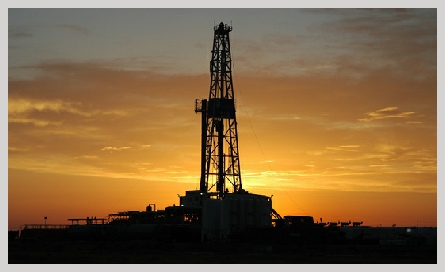
The extraction and production of natural gas is a highly regulated process and any potential environmental impact is reduced to an absolute minimum through very aggressive and sophisticated monitoring and control systems. Natural gas is produced in a wide variety of locations across the world with hundreds of thousands of gas wells. There are gathering systems and compression equipment to collect and transport natural gas to processing facilities that then produce commercial natural gas. There are thousands of natural gas processing plants in the world that extract sulphur and hydrocarbon liquids such as butane and propane to ensure that commercial gas meets demanding quality standards. Natural and industrial waste associated with the production of natural gas, are reclaimed and either recycled or sold onto to specialist reclaiming facilities or disposed of in accordance with strict local environmental protection laws.
The major environmental concerns regarding the production of natural gas are the protection of groundwater largely from sulphur contamination and the disposal of solid and liquid wastes and water produced from the gas wells. If the depth of a gas well extends below the lower-most fresh water zone, the fresh water is protected by placing a cement casing between the well casing and the well bore. Such sealing off is a highly regulated activity in the oil and gas production industry. Natural gas production companies operate highly disciplined gas well operations and in addition there are a range of local and international technical and environmental agencies that regulate the industry. The methods and technologies used by these high tech companies are well proven and are in use in countless well production sites across the world, both on the land and offshore. The millions of barrels of oil consumed every day in the world rely on similar well operation and management methods.
When drilling into the earth for hydrocarbons there is water in geological formations along with the gas. When the gas is extracted, the water also comes to the surface. In most cases more than 90% of this water is re-injected underground again with re-injection wells. These wells are also closely regulated by local independent fresh water regulatory agencies. When gas wells are operated off shore, waters are sometimes discharged into coastal and offshore areas but only in accordance with local clean water regulation conditions. In other cases, where the water is low-salinity it is used for irrigation and for livestock drinking water, especially in arid areas.
When natural gas wells are drilled, fluids are pumped through the drill pipe and through and around the drill bit and back up through the doughnut shaped hole between the drill pipe and the well casing. These fluids are referred to as ‘ muds ‘: water or oil based mixtures of clays and weighting materials with small amounts of additives. The drilling ‘ muds ‘ provide safety for the personnel working the well because they enable the pressure in the well to be controlled.
They also remove rock cuttings from the drill bit, cool and lubricate the drill head as it bores into the earth and they seal the sides of the well bore hole. The used drilling ‘ muds ‘ together with rock cuttings are usually deposited as tailings in storage pits in strict accordance with local environmental control regulations.
Despite these operations taking place continuously and safely all over the world, human error and other problems do occur occasionally. Oil well ‘blow outs’ particularly on offshore production sites have created some major oil leaks and environmental disasters costing billions to restore the local surroundings to their former state.
However in the case of natural gas which is a cleaner and non toxic fuel in comparison with oil, when problems have arisen they have far less negative environmental impact than with oil. In the case of coal, most mining operations involve the separation of unwanted material that is extracted with the coal from underground or from large open cast surface mining operations. The site of coal waste dumps is common in coal mining areas and many of these continue to contain inflammable material that spontaneously burns emitting various pollutants into the atmosphere.
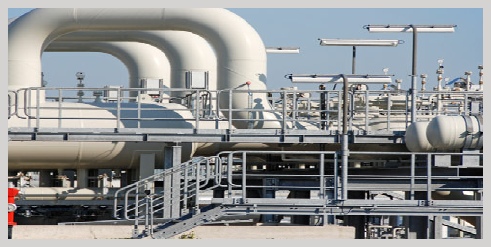
When it comes to the transportation of different fuels, natural gas underground pipeline networks are among the safest, most efficient, cleanest and invisible energy supply systems in the world. Since a natural gas transmission network is underground and fixed, it is environmentally invisible and benign. In addition to these positive environmental features, pipeline supply of natural gas is very efficient with the energy required to power transmission pressure stations and other necessary equipment using only some 3% of the total amount of gas flowing through the network.
The loss of natural gas from pipeline networks has been greatly reduced over recent years with better materials and operational maintenance of networks and these efforts continue. In the U.S. for example the energy that is lost to the atmosphere as a result of operational practices or leaks is estimated to be significantly less that 0.5% of the gas moving through the entire transmission and distribution networks, in other words from the gas well to the consumers appliance. These losses must also not be confused with what is referred to as “unaccounted gas” which typically amounts to between 2 and 3% of the total flow on many gas supply systems. These losses arise from meter discrepancies, theft, temperature variations and other factors not related to actual loss of natural gas to the atmosphere.
While natural gas supply system are extremely clean, compressor stations do emit nitrogen oxides (NOx) that in the U.S. for example amount to approximately 3% of total NOx emissions in the country. Worldwide the gas industry has spent millions to develop turbine and engine technology that have reduced these emissions to only 10% of that experienced with older technology. The way in which natural gas is delivered to consumers with underground pipelines is among the safest means of providing energy. Energy transportation of oil or coal by road or rail is riskier and natural gas delivery is also more safely delivered than electricity. The number of deaths per unit of delivered energy attributable to electricity is typically more than 10 times greater than with natural gas. Oil tankers carrying millions of tons of crude oil have been wrecked at sea and on coastlines causing major environmental incidents. However with natural gas when being transported as LNG there have been extremely few accidents or incidents threatening the environment. LNG is also a cleaner fuel than oil and should an accident occur the major consequence would be emission of methane into the atmosphere.
Even the possibility of an explosion with evaporating methane from an LNG spill, are lower than certain other hydrocarbons because methane and oxygen have to be in the right mixture to become inflammable.
When used in appliances and equipment by consumers natural gas is also a clean burning and highly efficient fuel with almost no wastage ensuring it is transformed to useful energy for the consumer with minimal negative environmental impacts. Compared with equipment that use other fuels, natural gas utilization equipment provide many environmental benefits regardless of the type of application. This is the case from the perspective of water and air pollution, solid waste, toxic's and land use.
It is interesting to note that before the oil embargo in 1973, the efficiency of a typical residential natural gas boiler or furnace ranged between 65 to 70%. Today such boilers achieve 95% efficiency. The same benefits also exist for boiler generated electricity where 30 to 33% are the typical efficiencies for coal and oil fired plant in contrast to gas combined cycle plant with an efficiency in excess of 50%.
Natural Gas, Global Warming and Pollution Issues
While there continues to be considerable scientific debate about global warming, various experts have concluded that the global average temperature has increased between 0.3 and 0.6 degrees Celsius over the last century. Furthermore a significant scientific and public body of opinion is convinced that emissions from human activities are substantially increasing the concentrations of some greenhouse gases. In any event, it is incumbent on energy suppliers and users to take steps to ensure that the rate of global climate change due to human activities comes under control to preserve our natural environment for future generations. Ultraviolet radiation from the sun penetrate the Earth’s surface and naturally occurring “greenhouse gases” in the atmosphere stop a portion of the infrared radiation emanating from the surface of the Earth’s warm surface from leaving. Without this naturally occurring process the Earth would be uninhabitable for human life.
There is now growing concern that certain human activities may be accelerating this process, causing a greenhouse effect and rising temperatures. The principal greenhouse gases are water vapour, carbon dioxide (CO2), methane (CH4), chlorofluorocarbons (CFCs) and nitrous oxide (N20). Global warming authorities report that C02 accounts for the majority of the heat trapped although man made emissions make up a relatively small percentage of total greenhouse gas emissions including those from naturally occurring phenomena such as volcanic eruptions and forest fires.
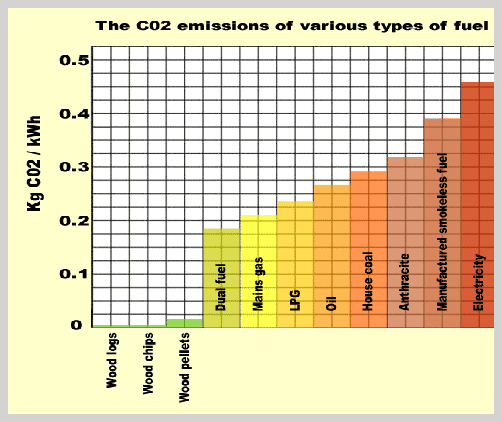
Fossil fuel combustion is responsible for about 75 to 80% of man-made C02 emissions and 20 to 30% of methane emissions. The need to reduce these emissions is therefore necessary by improving the efficiency of all fossil fuel systems and also moving to those fuels with the lowest global warming impacts. Natural gas is such a fuel because it emits some 30% less carbon dioxide than oil and 45% less than coal on an equal energy basis. When the lower carbon content of natural gas is deployed with modern highly efficient equipment the environmental benefits are magnified.
To illustrate this, by replacing a coal fired boiler with a gas combined cycle boiler for the production of electricity, carbon dioxide emissions can be reduced by 65%. With regard to methane emissions which are a contributor to global climate change it is estimated that the global natural gas industry is responsible for only 2 to 3% of total man made methane emissions.
In addition to lower carbon dioxide emissions with the use of natural gas there are a range of other pollutants that are either completely avoided or greatly reduced. Acid deposits, often referred to as acid rain occurs when sulphur dioxide (SO2) and to a lesser extent, nitrogen oxides (NOx) emissions are transformed in the atmosphere and return to the earth as dry deposits or in rain, fog or snow.
Gas Flaring
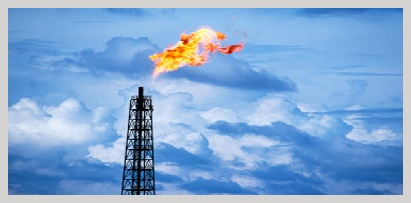
Gas flaring or the burning of excess gas at production sites is a concern in terms of global climate change. Estimates of the percentage of total global natural gas production that may be flared vary significantly although some observers have estimated it may be almost as high as 5% of total gas production. Any level of avoidable flaring should be reduced and in recent years most natural gas producers operate stringent measures to reduce flaring to an absolute minimum. Flaring as a practice in petrochemical, oil refineries and in the metallurgical industrial sectors is also subject to environmental regulation in many parts of the world. Gas flaring must be clearly distinguished from man made methane emissions or the leakage of natural gas.
Methane
Methane is another widely occurring greenhouse gas in nature. It is also significant and man made emissions of methane or natural gas must be reduced to a minimum. However, as a proportion of naturally occurring methane the amount of man made methane emissions are tiny. Estimates vary widely as to the spillage of natural gas at production sites and with the distribution and supply of natural gas. However most expert opinion on the subject agree that such emissions remain minimal when compared to the detrimental environmental impacts of alternative fuels such as coal or even nuclear. It is also notable that natural gas extraction, processing and transportation has become highly efficient thereby keeping any losses to an absolute minimum.
Reducing Environmental Impacts with Natural Gas
For the foreseeable future fossil fuels will have to be deployed to provide a major share of the energy demanded by a growing world population. Most human choices and interventions have consequences particularly on the environment. As we demand an improved quality of life we construct bigger highways, own more automobiles, travel more miles by air, use more and more electric and electronic gadgets and live increasingly in comfortable homes and buildings. Without huge quantities of energy to power all these things a modern way of life for billions would simply be impossible.
It is a truism that where the electricity supply grid ends so too social economic development also ends. The demand for energy will only increase in the future so human needs must be weighed against different alternatives for the production, supply and use of energy. Some energy sources are cleaner and less environmentally damaging than others and natural gas is such a fuel. There are a wide range of opportunities available today to seriously reduce the environmental impacts of energy production and use with natural gas.
The generation of electricity which accounts for huge consumption of fossil fuels across the world is among the single largest sources of air pollution. In the USA for example electric utilities produce almost 70% of all carbon dioxide emissions and almost 40% of all nitrogen oxide emissions. These can be largely eliminated by switching from coal and oil based electricity generation to natural gas. In addition major pollution reductions can be achieved when modest amounts of natural gas are burned or co-fired with coal and oil.
Natural gas also has an impressive safety record when used for electricity generation in comparison with fossil fuels and nuclear energy. It is also not visually invasive on the landscape in terms of supply.
The replacement of aging boilers with high efficiency gas alternatives, such as combined cycle equipment, is one of the most effective means of reducing both fuel consumption and environmental impact. Another major source of pollution are conventional automobiles and diesel trucks. Efficient and economic natural gas vehicles which are cleaner than gasoline or diesel counterparts are available today and are increasingly being used to gain lower operating costs and a cleaner environment. Natural gas vehicles are also extremely safe. They also operate with no nitrogen oxide and minimal carbon monoxide emissions.

In addition to their impact on air quality, the production and use of energy can also have negative environmental impacts on land and water resources. The combustion of coal and oil produces solid wastes such as ash and particulate matter which must be disposed of. Large plants can create thousands of tons of sludge and ash annually presenting problems of both landfill availability and groundwater contamination. Water consumption by energy industries accounts for a small proportion of total water consumption compared with agricultural use. Some energy related activities can negatively affect water quality. While new technology is lowering the risk, solid wastes from mining and oil effluents from drilling or refining operation can contaminate groundwater. State of the art technology, close regulation and various environmental protection measures minimize these risks to grounds water from gas drilling activities.
In terms of the total fuel cycle efficiency, natural gas is usually superior to other energy sources. As an example, in new modern homes, total fuel cycle efficiencies will range from 70 to 88% for natural gas space heating and cooling depending on the type of equipment used. In contrast, an electric heat pump which can have an end-use energy utilization efficiency of 200 to 270% since they can extract heat from air outside the building only achieve a fuel cycle efficiency of between 53 and 72%. Electric resistance heating is even less efficient with a total fuel cycle efficiency of around 27%. Natural gas appliances are also very safe. Residential gas appliances have been shown to create less of a fire risk than appliances operating on electricity or liquid fuels. In the U.S. for example energy statistics show that fires attributable to gas fired central heating is less than one-third of that for liquid fuelled heating equipment and one-fourth of that for electric heating.
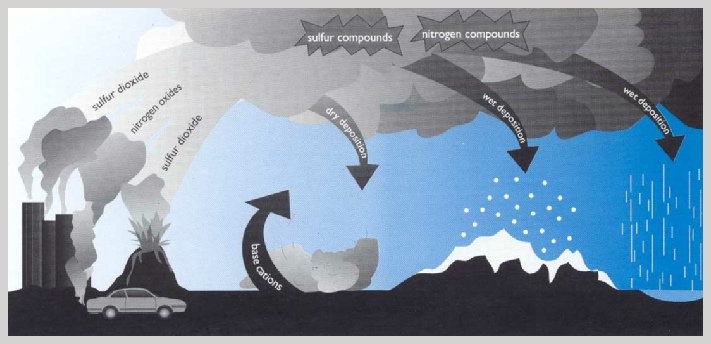
The serious problem of acid rain is also rarely just a local problem because these emissions are often carried hundreds of miles away and deposited elsewhere. Acid rain harms our forests, lakes, rivers, buildings and our health. The combustion of natural gas produces virtually no sulphur dioxide and with modern equipment designs far less nitrogen oxides than from the combustion of coal or fuel oil. Smog is another pollutant that can be eradicated with the use of natural gas. Many metropolitan areas that have high concentrations of population suffer unhealthy levels of smog.
The quality of the air we breathe affects both public health and welfare. Air quality has become a particular concern in densely populated urban areas because of the concentration of vehicle, industrial and household burning of coal and biomass especially in low income households in South Africa. This is a notable problem in many of South Africa’s urban areas both in the winter and summer months. Not only does natural gas combustion emit fewer smog-producing pollutants than other fuels, certain gas utilization technologies, when used together, can also reduce pollutants emitted by coal or oil combustion. Natural gas vehicles, especially for public transport and substitution for diesel in heavy trucks on our roads also radically reduce the hazards of low level emissions and the formation of smog.
Carbon Dioxide
Carbon dioxide C02 is a naturally occurring chemical compound. As part of the natural carbon cycle, plants photosynthesise carbohydrate from carbon dioxide and water with oxygen as a waste byproduct. The environmental effects of carbon dioxide are of significant interest since it is an important greenhouse gas absorbing heat radiation from the Earth’s surface which would otherwise have left the atmosphere. It is also a greenhouse gas that has a long life remaining in the atmosphere for many years.
Electricity generation using carbon based fuels is responsible for a large proportion of carbon dioxide emissions worldwide. In 2010 in the USA electricity generation is estimated to have created 34% of man made carbon dioxide. Brown coal when used to generate electricity emits about three times and black coal about twice as much carbon dioxide as natural gas. Coal fired power stations are the world’s most concentrated man made sources of green house gases. Collectively they account for about one-quarter of total emissions of carbon dioxide, the main culprit of global warming. It is estimated that South Africa emits around 222 million tons of carbon dioxide a year due to its heavy reliance on coal fired power plants. In comparison the UK emits 212 million tons and South Korea 185 million tons per year.

 Back to top